The site is organised by topic: a general page says what is true everywhere, and a country page says what changes. That is the right way to write it, but not always the right way to search it — if you live in Ireland or are marrying a Canadian, you want everything about that country at once.
Each page below brings together, for one country, every page of the site that concerns it: marriage and divorce, parentage and inheritance, contraception and abortion, infections, online dating and the law that applies to what you post.
Countries in the other versions of the site
The English version covers the English-speaking countries and those where many English speakers live; the site's 66 other countries and territories have their pages in the version of their language or of the diaspora that lives there.
How these pages are built
They contain no text of their own: they are lists, assembled automatically from the
existing pages. Whenever a country page is created or moved, the corresponding list
follows. That is also why they are not offered to search engines: a list of links teaches
nothing to someone landing on it by chance. It is for you, once you are on the site.
If your country is missing
The site covers French-, English-, German-, Spanish-, Italian-, Portuguese-, Dutch-, Polish- and Turkish-speaking countries, plus the countries where their diasporas live.
For the others, the general pages say what is true everywhere, and
the comparator puts two covered countries side by
side. If a country is missing, write to us: that is the kind of request that gets a series
added.
Sources
- Women, Business and the Law — World Bank, accessed 2026
- HCCH Members — Hague Conference on Private International Law (HCCH), accessed 2026
Official or institutional documents this page relies on, consulted on 12 October 2026. Links open in a new tab.



 European Union 12 pages
 Ireland 8 pages
 Spain 11 pages
 United Kingdom 10 pages
 Ghana
 Nigeria
 Cameroon 11 pages
 Ethiopia
 Kenya
 Rwanda
 Tanzania
 Uganda
 Zambia
 South Africa 8 pages
 Cyprus 1 page
 India
 Pakistan
 Hong Kong 8 pages
 Indonesia 12 pages
 Malaysia 9 pages
 Philippines 10 pages
 Singapore 8 pages
 Canada 8 pages
 United States 9 pages
 Jamaica 6 pages
 Trinidad and Tobago 7 pages
 Argentina 13 pages
 Australia 8 pages
 New Zealand 9 pages
 France
 Belgium
 Switzerland
 Luxembourg
 Monaco
 Morocco
 Algeria
 Tunisia
 Senegal
 Ivory Coast
 Democratic Republic of the Congo
 Benin
 Mali
 Burkina Faso
 Niger
 Togo
 Madagascar
 Haiti
 Germany
 Austria
 Liechtenstein
 South Tyrol
 Namibia
 Mexico
 Colombia
 Chile
 Peru
 Venezuela
 Ecuador
 Bolivia
 Paraguay
 Uruguay
 Cuba
 Dominican Republic
 Puerto Rico
 Guatemala
 Honduras
 El Salvador
 Nicaragua
 Costa Rica
 Panama
 Equatorial Guinea
 San Marino
 Portugal
 Brazil
 Angola
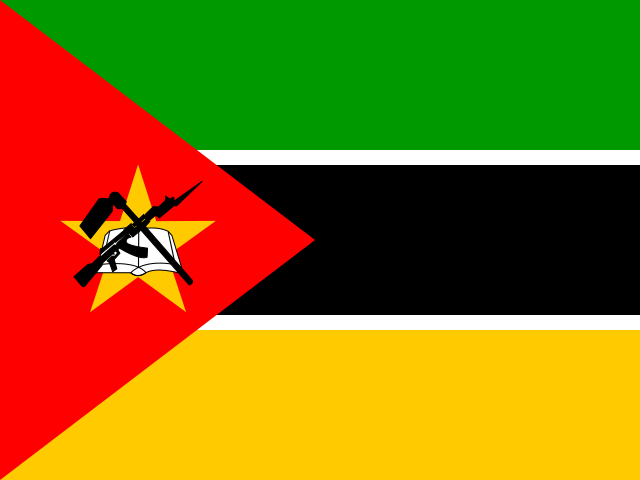 Mozambique
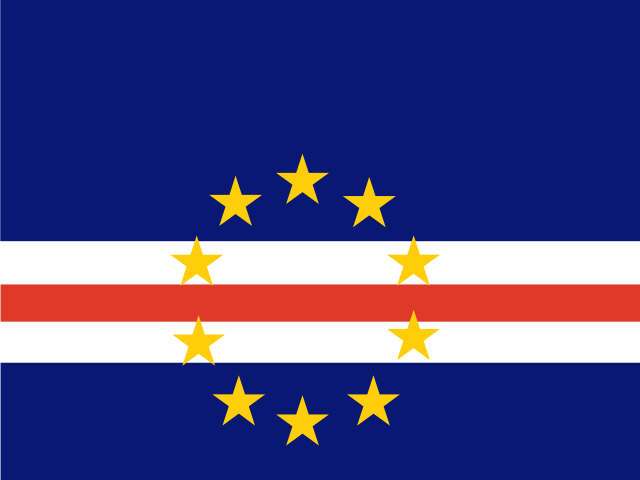 Cabo Verde
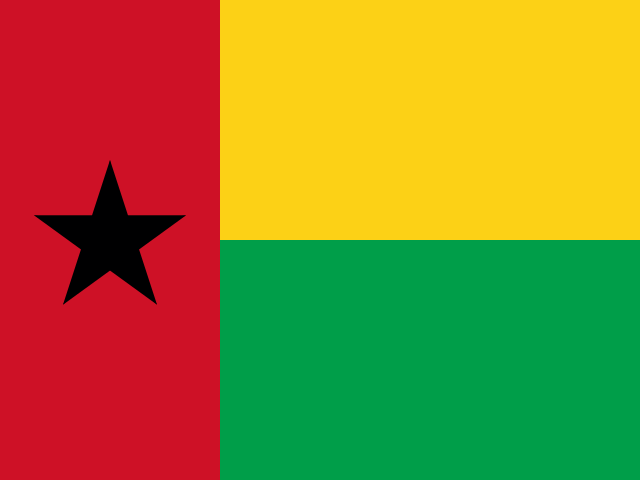 Guinea-Bissau
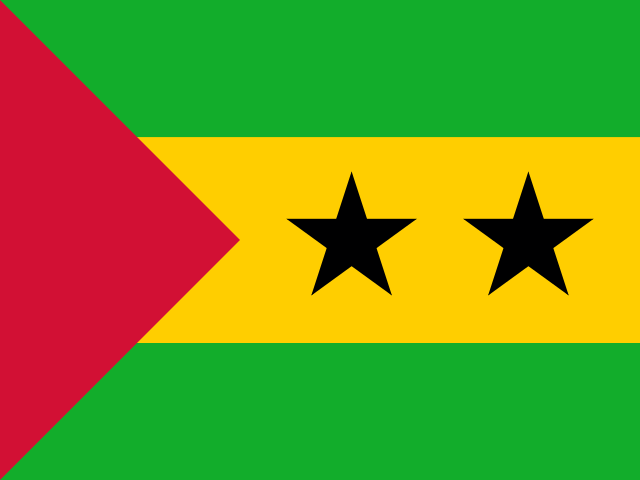 Sao Tome and Principe
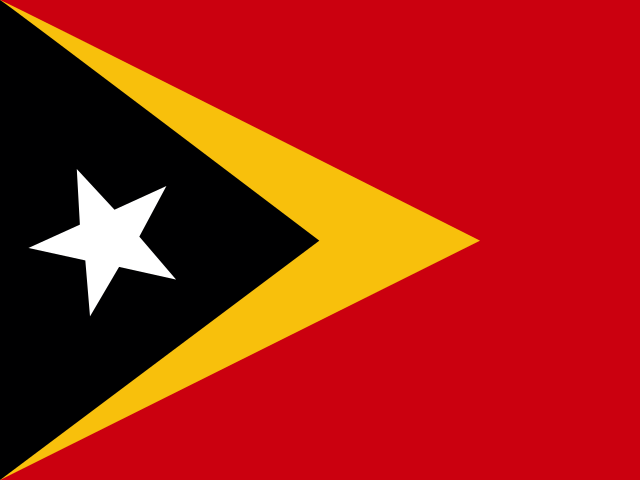 Timor-Leste
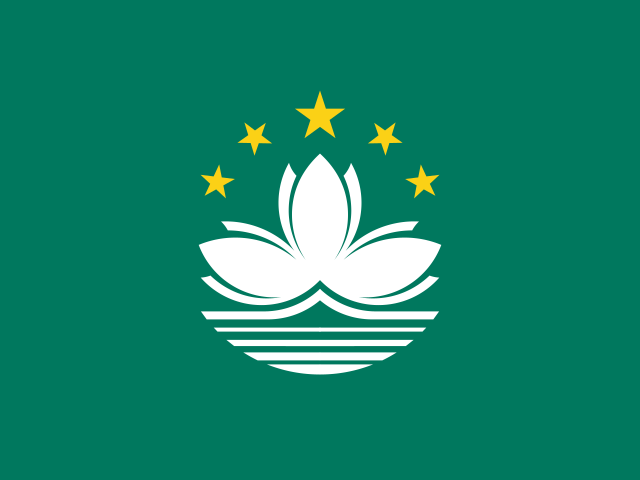 Macao
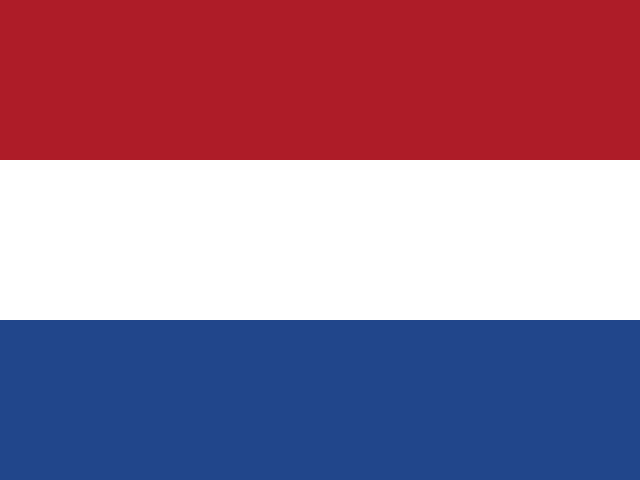 Netherlands
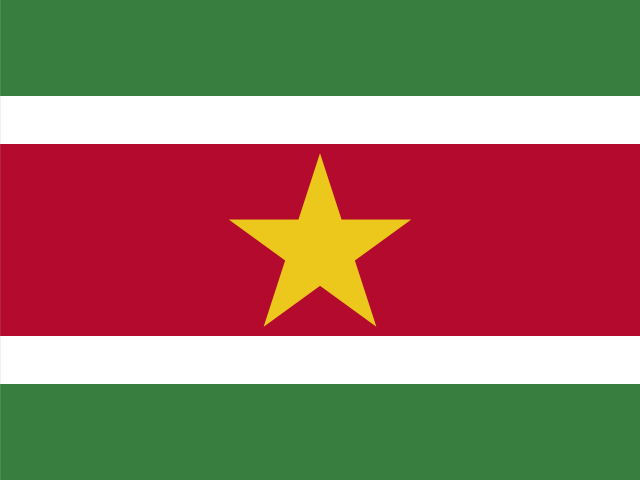 Suriname
 Aruba
 Curaçao
 Sint Maarten
 Caribbean Netherlands (Bonaire, Sint Eustatius, Saba)
 Poland
 Norway
 Sweden
 Denmark
 Türkiye
 Bulgaria