
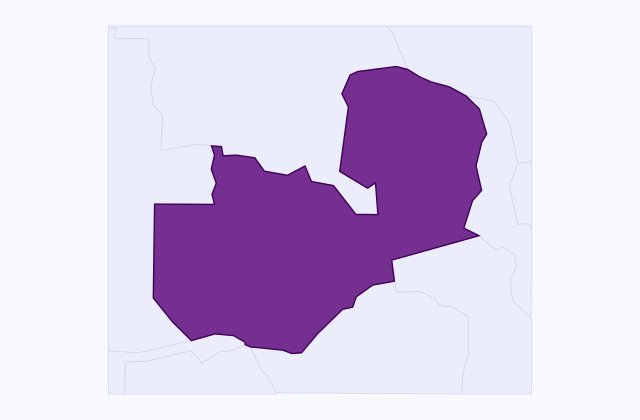
The legal framework
The Matrimonial Causes Act allows settlement of property on divorce. The Intestate Succession Act sets shares for the surviving spouse, children and parents, and was designed specifically to counter property grabbing from widows. Across these jurisdictions, the decisive practical questions are the same: was the marriage registered, whose name is on the title, and is there a will?
Key points
| Divorce | Settlement of property and maintenance under the Act |
|---|---|
| Intestacy | Defined shares for spouse, children and parents |
| Property grabbing | A specific offence under the Intestate Succession Act |
| Customary marriages | Succession may follow customary law unless the statute applies |
| House and chattels | Protected for the surviving spouse and children |
| Wills | Permitted, subject to dependants' claims |
| Intestate Succession Act | Fixed shares, with a protected portion for the surviving spouse and children |
| Contribution | Courts consider contribution, including non-financial, on divorce |
In practice
- Register the marriage and the title to property: these two documents decide most disputes.
- Record contributions to any asset, including labour and materials.
- Make a will and lodge it where it can be found.
- Where customary practices threaten a widow's position, the constitutional protections are real and enforceable — legal aid organisations litigate these cases regularly.
- Report property grabbing to the police immediately; it is a criminal offence, not a family dispute.
- Obtain letters of administration before dealing with any of the estate.
Cost and coverage
Registration and wills are cheap; estate litigation is not, and delays can leave a family without access to property for years.
Recent changes
The shared regional trend is statutory protection of the surviving spouse against customary disinheritance, reinforced by constitutional rulings.
Where to go
- National registrar of lands and deeds.
- Probate registry or administrator general.
- Legal aid schemes, law clinics and women's rights organisations.
Worth knowing
Property grabbing from widows remains common across the region despite the law being clear. Acting quickly — securing the title documents and reporting interference — matters more than the eventual court case. The house and household goods are reserved by statute for the surviving spouse and children. Relatives who remove them are committing an offence.
Official sources and links
- UN Human Rights Office — ratified treaties and country reviews
- ILO NATLEX — national legislation database