
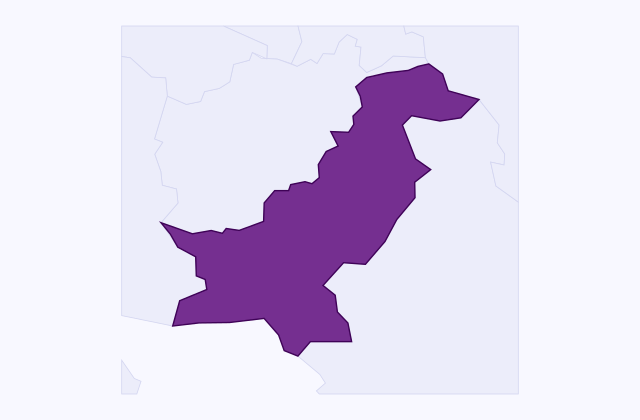
The legal framework
Article 14 of the Constitution guarantees the inviolability of the dignity of man and, subject to law, the privacy of the home. There is no comprehensive data protection statute in force: successive drafts of a Personal Data Protection Bill have been circulated. In the meantime the Prevention of Electronic Crimes Act 2016 criminalises certain intrusions.
Key points
| Constitution | Article 14: dignity of man and privacy of the home |
|---|---|
| Statute | No comprehensive data protection law in force; a bill has been under consideration for years |
| PECA 2016 | Criminalises unauthorised access, interception and misuse of identity information |
| Enforcement | Federal Investigation Agency Cybercrime Wing |
| Telecoms | Pakistan Telecommunication Authority handles some content complaints |
| Remedy | Constitutional petition under Article 199 before a High Court |
| Surveillance | Interception requires lawful authority; unauthorised interception is an offence |
| Telecom rules | Operators are subject to confidentiality obligations |
| Court practice | High Courts have granted relief in privacy petitions involving leaked material |
In practice
- Send a written access request first: it forces the other side to disclose what it holds and creates a paper trail.
- Screenshot everything, with the date and the URL visible, before asking for removal.
- Complain to the regulator — it is free — and keep the reference number.
- Court action is the last step, and the limitation periods are short: take advice early.
- Where a public body is involved, a constitutional petition is the realistic route.
Where to go
- National Cyber Crime Investigation Agency (NCCIA) offices.
- Pakistan Telecommunication Authority complaint portal.
- High Court constitutional petition.
Worth knowing
Because there is no data protection regulator, complaints about ordinary commercial misuse of data have no obvious home: document everything and consider a constitutional petition where a public body is involved. With no data protection regulator, the practical remedies are the sector regulator and the constitutional petition. Both require documentation from the outset.
Official sources and links
- Government of Pakistan — official government portal